Explore the World of Rugged Displays: Rugged Display Features Guide
- Jayden Lee
- 6 days ago
- 4 min read

When it comes to demanding environments, standard displays just don’t cut it. Whether you’re working in defense, aviation, medical, or corporate sectors, you need screens that can handle tough conditions without compromising performance. That’s where rugged displays come in. These specialized monitors are built to withstand shocks, vibrations, extreme temperatures, and more. Today, I’m excited to take you on a journey through the world of rugged displays, sharing insights on their features, types, and why they matter for your business.
Rugged Display Features Guide: What Makes Them Tough?
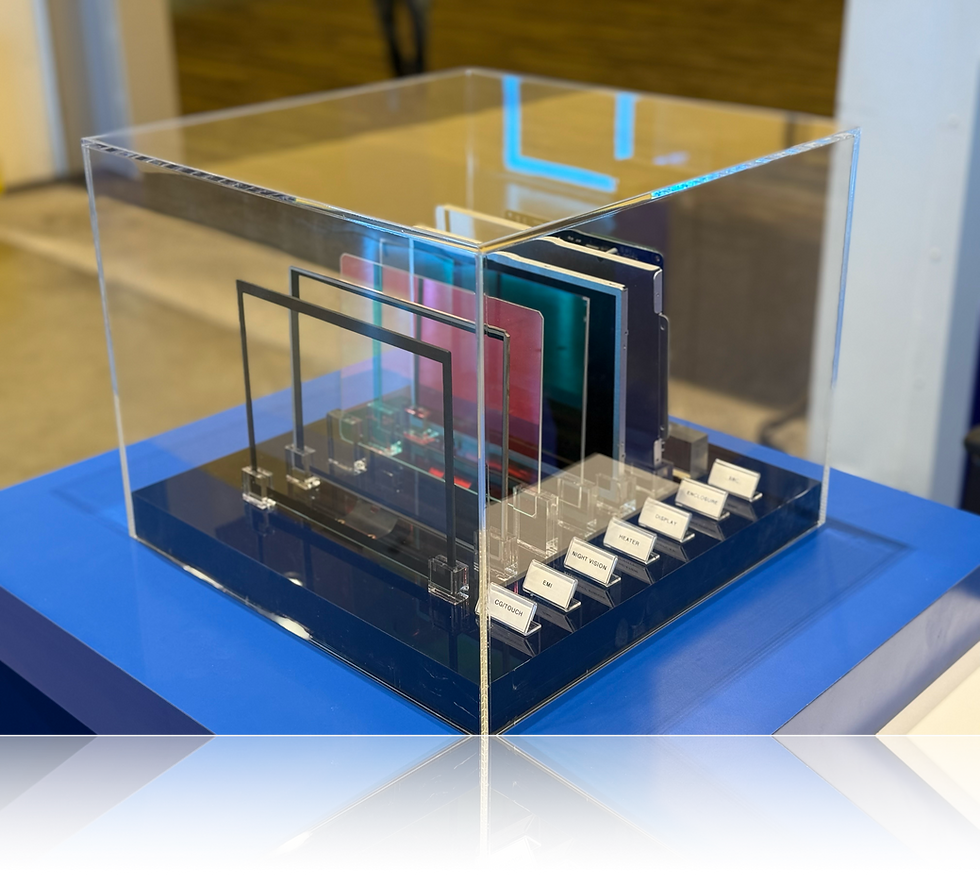
Rugged displays are not your everyday screens. They are engineered with durability and reliability at their core. Here are some key features that set them apart:
Shock and Vibration Resistance: These displays are designed to survive drops, bumps, and constant vibrations. This is crucial for military vehicles, aircraft cockpits, or medical carts that move frequently.
Temperature Tolerance: Rugged displays operate flawlessly in extreme heat or cold. Whether it’s a freezing outdoor site or a hot industrial plant, these screens keep working.
Water and Dust Protection: Many rugged monitors come with IP ratings, meaning they resist water splashes and dust ingress. This is essential for outdoor or dusty environments.
Sunlight Readability: High brightness and anti-glare coatings ensure the screen remains visible even under direct sunlight. This is a must-have for aviation and defense applications.
Touchscreen Durability: Some rugged displays feature touchscreens that work with gloves and resist scratches, making them perfect for fieldwork.
Customizable Options: Businesses can often customize rugged displays to fit specific needs, such as size, resolution, or mounting options.
These features combine to create displays that don’t just survive but thrive in harsh conditions. If you want to dive deeper, check out this what is a rugged display guide for a comprehensive overview.

Why Rugged Displays Are Essential for High-Stakes Industries
In sectors like defense, aviation, and medical, failure is not an option. Equipment must perform flawlessly every time. Rugged displays provide that reliability. Here’s why they are indispensable:
Defense: Military operations demand equipment that can handle rough terrain, sudden impacts, and extreme weather. Rugged displays ensure soldiers and operators have clear, reliable information at all times.
Aviation: Pilots and ground crews rely on displays that remain visible in bright sunlight and resist vibrations from aircraft engines. Rugged monitors meet these strict requirements.
Medical: In hospitals and emergency settings, displays must be easy to clean, resistant to fluids, and reliable under constant use. Rugged touchscreens help medical professionals access critical data quickly.
Corporate: Even in corporate environments, rugged displays can be valuable for kiosks, outdoor digital signage, or manufacturing floors where dust and moisture are present.
By investing in rugged displays, businesses reduce downtime, improve safety, and enhance operational efficiency. These screens are not just tools; they are critical assets.

What are the Three Types of Monitor Displays?
Understanding the types of monitor displays helps in choosing the right rugged screen for your needs. The three main types are:
LCD (Liquid Crystal Display)
LCDs are the most common type of display. They use liquid crystals to produce images and are known for their sharp visuals and energy efficiency. Rugged LCDs often include enhancements like reinforced glass and backlighting for outdoor use.
LED (Light Emitting Diode)
LED displays are a subtype of LCDs that use LEDs for backlighting. They offer better brightness and contrast, which is crucial for sunlight readability. Rugged LED displays are popular in aviation and defense sectors.
OLED (Organic Light Emitting Diode)
OLEDs provide superior color accuracy and contrast by emitting light from each pixel individually. While less common in rugged applications due to cost and durability concerns, OLED technology is advancing and may become more prevalent.
Each type has its strengths, and the choice depends on your specific environment and performance needs. For example, if you need a display that works well outdoors in bright sunlight, an LED rugged display might be your best bet.
How to Choose the Right Rugged Display for Your Business
Selecting the perfect rugged display involves more than just picking the toughest screen. Here are some practical tips to guide your decision:
Assess Environmental Conditions: Consider temperature ranges, exposure to dust or water, and potential impacts. This will help you determine the necessary IP rating and shock resistance.
Determine Screen Size and Resolution: Depending on your application, you might need a compact display for a handheld device or a large screen for a control room. Resolution matters for clarity, especially in detailed tasks.
Evaluate Touchscreen Needs: If your team uses gloves or needs multi-touch capabilities, look for rugged displays with compatible touch technology.
Check Connectivity Options: Ensure the display supports the interfaces your systems require, such as HDMI, VGA, USB, or serial ports.
Consider Power Requirements: Some rugged displays are designed for low power consumption, which is important for mobile or battery-operated setups.
Look for Customization and Support: Partnering with a provider that offers custom engineering and ongoing support can make a big difference in long-term satisfaction.
By carefully matching features to your operational needs, you can maximize the value and lifespan of your rugged displays.
Future Trends in Rugged Display Technology
The world of rugged displays is evolving fast. Here are some trends to watch:
Enhanced Durability Materials: New composites and coatings are making displays even more resistant to scratches, impacts, and chemicals.
Improved Touch Sensitivity: Advances allow touchscreens to work better with gloves and in wet conditions.
Higher Brightness and Contrast: Innovations in backlighting and screen technology improve visibility in all lighting conditions.
Integration with IoT and AI: Rugged displays are becoming smarter, with sensors and AI-driven diagnostics to predict failures and optimize performance.
Flexible and Curved Displays: Emerging designs offer more ergonomic and space-saving options for specialized applications.
Staying informed about these trends can help your business stay ahead and leverage the best technology available.
Making Rugged Displays Work for You
Rugged displays are more than just tough screens. They are critical tools that empower businesses in defense, medical, aviation, and corporate sectors to operate efficiently and safely. By understanding their features, types, and how to choose the right one, you can make informed decisions that protect your investment and enhance your operations.
If you want to explore further, I recommend checking out the detailed what is a rugged display guide to deepen your understanding.
Investing in rugged displays means investing in reliability, performance, and peace of mind. Your business deserves nothing less.


Comments